Can a Bicycle Accident Lawyer in Denver Help With Hit-and-Run Cases?
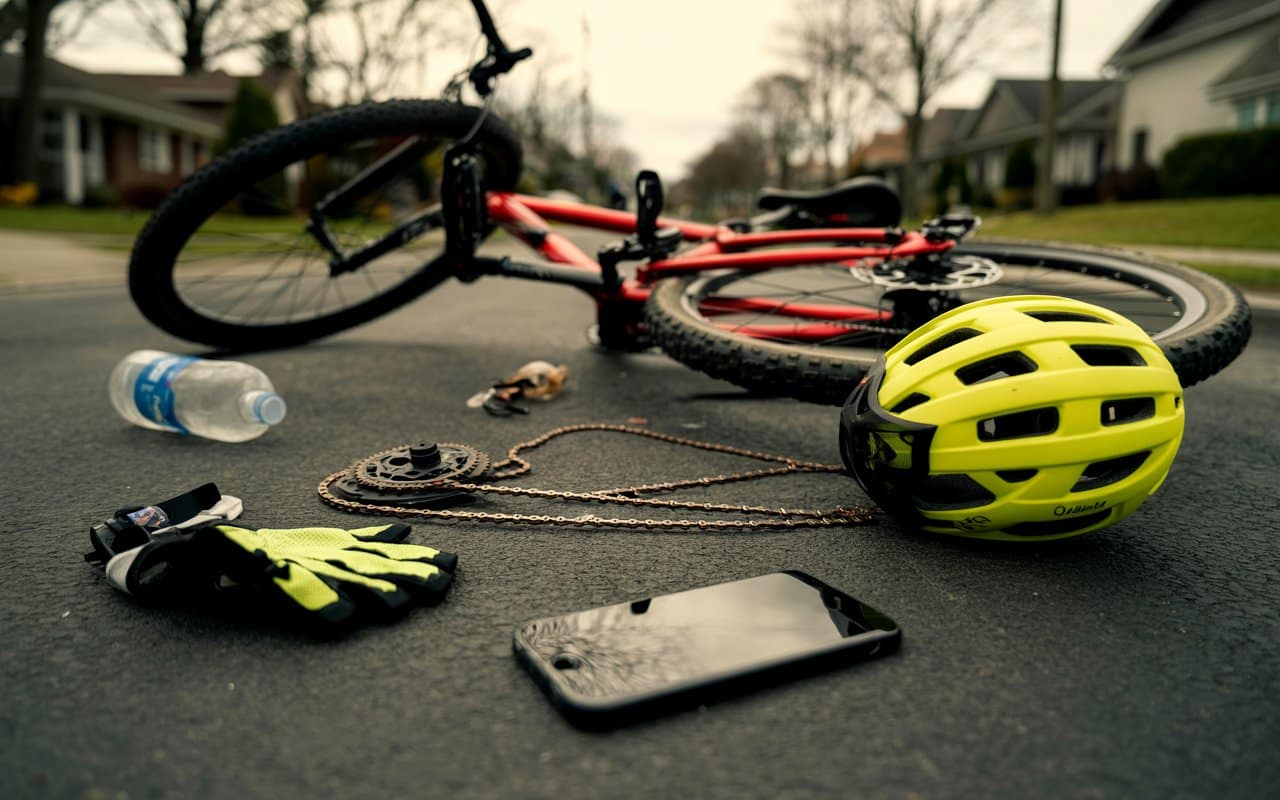

A hit-and-run bicycle crash leaves a rider in one of the hardest positions in personal injury law. The injuries can be serious, the medical bills start arriving quickly, and the driver who caused the harm is gone before anyone gets a license plate. Riders often assume that if the driver is never found, there is no case to pursue. That is not always true.
A Bicycle Accident Lawyer Denver residents turn to for serious injury claims can often help in hit-and-run cases, even when the driver disappears. The work looks different from a standard negligence claim, but it can still produce results. In practice, these cases often depend on fast evidence collection, a close reading of insurance policies, and a realistic understanding of what compensation may be available from sources other than the fleeing driver.
The short answer is yes, a lawyer can help. The better answer is that a lawyer can help in several distinct ways, and each one matters more than most injured cyclists realize in the first week after a crash.
Why hit-and-run bicycle cases are so difficult
When a driver stays at the scene, the basic framework is familiar. There is an exchange of information, an insurance claim, a police report, medical treatment records, and, if needed, a lawsuit against a known defendant. In a hit-and-run, those building blocks are missing or incomplete from the start.
That changes everything. The injured cyclist may be taken away by ambulance before speaking to witnesses. The police report may describe a vague vehicle, such as a dark SUV or white pickup, which is helpful in a broad sense but not enough to identify the owner. Nearby businesses may have surveillance footage, but many systems overwrite video within days. Witnesses often remember fragments rather than details. A person may confidently recall that the vehicle turned left across the bike lane, yet be unsure about the plate or even the make.
Denver adds its own practical complications. Urban bike traffic is heavy in some corridors, visibility can change with weather and time of day, and intersections with multiple turn lanes create confusion about who saw what. Some crashes happen on quieter stretches where there are no cameras at all. Others occur near apartments or commercial buildings where managers will not voluntarily release footage without a formal request.
In other words, these cases are evidence-sensitive. Delay is expensive.
What a bicycle accident lawyer actually does in a hit-and-run case
Many people think of an injury lawyer mainly as someone who files a lawsuit. In hit-and-run bicycle cases, the most valuable work often happens before a lawsuit is even possible.
A seasoned lawyer starts by treating the crash as both an injury claim and an investigation. That means identifying where proof might still exist, preserving it, and building a record strong enough to support either an insurance claim or a later case against the driver if the driver is found.
That can include reviewing the police report for investigative leads that may have been missed, contacting witnesses while memories are still fresh, sending preservation letters to businesses or property owners with cameras, and obtaining photographs of the scene before traffic patterns or debris change. It may also involve looking at nearby RTD routes, delivery patterns, rideshare activity, and neighborhood camera networks. Sometimes the breakthrough is not dramatic. A partial plate combined with vehicle damage, time stamps, and direction of travel can be enough.
Just as important, a lawyer examines all insurance possibilities. This is where many riders are surprised. Even if the cyclist did not own a car, there may be uninsured motorist or MedPay coverage available through a household policy. If the rider did own an insured vehicle, the rider’s own auto policy may provide coverage while riding a bicycle, depending on the policy terms and circumstances. Health insurance, disability coverage, and in limited settings other third-party policies may also come into play.
A good lawyer is not simply asking, “Who hit you?” The lawyer is asking, “Where can compensation legally come from, what proof is required, and how do we document it before the window closes?”
Uninsured motorist coverage often becomes the center of the case
In many Denver hit-and-run bicycle claims, uninsured motorist coverage is the most important financial recovery source. That sounds counterintuitive at first. The cyclist was not driving a car, so why would auto coverage matter?
Because uninsured motorist coverage typically follows the insured person in many circumstances, not just the insured vehicle. A cyclist struck by a hit-and-run driver may be legally treated much like a person injured by an uninsured driver. Colorado policy language and the specific facts matter, but this is a common path to recovery.
That does not mean the insurer will make the process easy. Insurers often ask hard questions in hit-and-run cases because there is no identified tortfeasor to challenge their position. They may scrutinize whether there was actual contact, whether the event fits the policy definition of a hit-and-run, whether the injuries were caused by the reported crash, and whether the rider’s medical treatment was reasonable and necessary. If the collision happened in low light or with no independent witnesses, skepticism can be even stronger.
This is one reason legal representation can make a substantial difference. The claim has to be presented like a case file, not a complaint. That means coherent timelines, scene evidence, witness statements, medical documentation, and a clear explanation of damages. Insurers are more likely to take the claim seriously when it is supported by records and analysis rather than a brief oral report from an injured person trying to manage recovery at the same time.
If the driver is never found, can there still be compensation?
Yes, sometimes there can be. The answer depends on coverage, liability facts, and the seriousness of the injuries.
Compensation may come from the rider’s own uninsured motorist coverage, a resident relative’s policy in the same household, medical payments coverage, health insurance, or, in some unusual cases, another liable party if road design, vehicle ownership, or employment status creates an additional avenue. A crash involving a commercial vehicle, for example, may leave more evidence trails than a crash involving a private car. A company logo, delivery schedule, fleet route, or dispatch record can change the investigation significantly.
What should be said clearly, though, is that not every hit-and-run claim becomes a large financial recovery. Some riders have limited available coverage. Some have relatively modest injuries that heal within weeks. Some crashes are difficult to prove because the facts remain too uncertain. A responsible lawyer does not promise a windfall. The lawyer clarifies what can be pursued and what probably cannot.
That honesty matters. It helps injured cyclists make practical decisions about treatment, time, and expectations.
The first days after the crash are often decisive
The strongest hit-and-run cases usually have something in common: someone acted quickly.
Surveillance footage is the obvious example. Many businesses and apartment buildings keep footage for a short period only, sometimes just a few days. If no one asks for it promptly, it may be gone before the rider even realizes it existed. Witness contact information can also disappear. A bystander may leave a phone number with police but become hard to reach later. Physical evidence at the scene can be cleared, weather can change visibility conditions, and memories can flatten into general impressions.
There is also a medical reason not to wait. Bicycle crash injuries can be deceptive. Riders often walk away from a scene with adrenaline masking pain, then wake up the next morning unable to rotate a shoulder, bear weight on a knee, or think clearly because of a concussion. Delayed treatment can make both recovery and documentation harder. Insurers regularly argue that treatment gaps mean the injuries were minor or unrelated.
A practical first-response checklist can help.
- Get medical care as soon as possible, even if symptoms seem manageable at first.
- Report the crash to police and make sure the hit-and-run is clearly documented.
- Preserve photos of injuries, the bicycle, the scene, clothing, helmet, and any debris.
- Write down everything remembered about the vehicle and crash while it is fresh.
- Speak with a lawyer before giving detailed recorded statements to insurers.
That last point is especially important in uninsured motorist claims. People assume they are speaking with “their own” insurance company, so they lower their guard. But the insurer is still evaluating exposure and may later rely on early inconsistencies to reduce or deny payment.
How fault is evaluated when no driver is present to admit anything
A missing driver does not eliminate the need to prove fault. The rider still has to show that the motorist caused the crash through negligent conduct. In Denver bicycle cases, that often involves familiar scenarios: a driver turning across a bike lane, opening a door into a rider’s path, drifting into a shoulder, passing too closely, failing to yield at an intersection, or driving distracted.
Without the driver’s statement, fault is reconstructed from other evidence. The angle of impact on the bicycle, scrape patterns on the frame, roadway markings, witness descriptions, camera footage, and even injury mechanics can help tell the story. A fractured collarbone with damage concentrated on one side of the bike, for example, may be consistent with a lateral strike from a passing vehicle. Handlebar alignment, wheel damage, and paint transfer can support that account.
Cases get harder when there was no direct contact. A rider may crash while swerving to avoid a car that cut into the bike lane and then sped away. Those are real hit-and-run events, but some policies and insurers treat no-contact claims with extra suspicion. Independent witnesses become particularly valuable there. So does a prompt, consistent record of what happened.
An experienced Bicycle Accident Lawyer Denver cyclists hire will usually look at the claim through both lenses at once: how a jury might view fault, and how an insurer will look for reasons to dispute it. Those are related, but not identical, questions.
Medical damages in bicycle hit-and-run claims are often underestimated
Cyclists take direct impact in ways drivers often do not. Even a low-speed strike can lead to an expensive injury profile. Emergency transport, imaging, orthopedic care, surgery, physical therapy, concussion treatment, lost work time, and replacement of gear can add up quickly. A carbon road bike or e-bike alone may represent several thousand dollars in property damage before anyone even gets to medical costs.
The long-tail injuries are often the most significant. Shoulder injuries are common and stubborn. Wrist fractures can interfere with typing, lifting, and daily tasks for months. Knee trauma can turn into prolonged instability. Concussions can affect concentration, sleep, irritability, and work performance well after the bruises fade. For a rider who commutes by bike, there is also a practical mobility loss. Transportation costs rise right when income may drop.
Insurers tend to value what is documented. If symptoms interfere with work, riding, household tasks, or sleep, those effects should be recorded in medical visits and, where appropriate, personal notes. A lawyer often helps clients understand this without overstating anything. The goal is accuracy, not performance. Credibility wins these cases.
What if the cyclist may share some fault?
Colorado follows a modified comparative negligence framework. In plain terms, an injured person’s recovery can be reduced by their share of fault, and recovery may be barred if that share reaches the legal threshold. In bicycle cases, insurers sometimes argue the rider was outside a bike lane, wearing dark clothing, moved unpredictably, failed to signal, or entered an intersection unsafely.
Some of those arguments are stronger than others. Some are little more than noise. The legal relevance depends on the facts, local traffic rules, and whether the claimed conduct actually contributed to the crash. A rider not wearing bright clothing, for example, is not a universal defense to a driver who made an unsafe turn across an occupied lane. By the same token, a cyclist who ignored a clear traffic signal may create a genuine comparative negligence issue.
This is another place where representation matters. Small factual concessions made early can snowball into large valuation problems later. People often apologize reflexively after traumatic events or speculate about what they “might have done.” Those statements do not always reflect legal fault, but insurers keep them.
A short real-world pattern lawyers see often
One recurring fact pattern in Denver involves a commuter cyclist struck near an intersection by a driver turning right or left across the rider’s path. The driver clips the front wheel or side of the bike, the cyclist goes down hard, and the vehicle continues on. At first, the case looks thin. The rider has a broken wrist, a damaged bike, and only a partial description of the vehicle.
Then the real work starts. A nearby café has exterior footage showing the vehicle’s color and a roof rack. A witness from a bus stop recalls part of the plate. Another camera from a parking garage confirms the direction of travel. Even if the full vehicle identification never materializes, the combined evidence supports the rider’s uninsured motorist claim. Medical records show a fracture, therapy, missed work, and ongoing grip weakness. The insurer initially offers a low amount, pointing to uncertainty about the vehicle. A well-supported demand changes the conversation.
Not every case unfolds that cleanly, but this is exactly why early investigation matters. Hit-and-run claims are often built from fragments.
When a lawsuit is possible, and when it is not
If the driver is identified, a lawsuit may be filed against that person and, depending on the facts, perhaps against an employer or vehicle owner. If the driver is never identified, there may be no direct defendant to sue for negligence, but that does not end the matter. The dispute may shift into a first-party insurance claim, which can still involve formal legal action if the insurer underpays or denies benefits.
People are often surprised by how contested first-party claims can become. The insurer may accept that a crash happened but dispute the value of pain, suffering, lost wages, future treatment, or permanency. In serious injury cases, these disagreements can be substantial.
Timing also matters. Colorado deadlines apply, and https://knoxssgc658.publishlane.com/posts/bicycle-accident-lawyer-denver-can-you-sue-after-a-dooring-accident different claims can involve different notice obligations, policy requirements, and limitation periods. Waiting too long can damage or eliminate a viable claim even where the facts are strong.
What to look for when hiring counsel for a hit-and-run bicycle case
Not every injury lawyer handles bicycle cases with the same level of fluency, and not every bicycle case lawyer is equally comfortable with first-party insurance disputes. Hit-and-run claims sit at the intersection of both.
A useful consultation should cover more than “Do you have a case?” It should address how the investigation will be handled, what insurance sources may exist, what immediate steps need to happen, and what problems the lawyer already sees. Good lawyers spot friction early. They may tell you that the lack of independent witnesses is a challenge, or that your household insurance setup could be more important than the police ever finding the driver.
These are reasonable questions to ask before hiring anyone:
- Have you handled bicycle hit-and-run claims involving uninsured motorist coverage?
- What evidence should be preserved in the next few days?
- Do you see any immediate coverage issues or comparative fault concerns?
- Who will actually manage the claim and communicate with me?
- How are fees and case expenses handled if the recovery comes through insurance rather than a lawsuit?
Clear answers usually tell you a lot. So does the lawyer’s ability to explain uncertainty without sounding evasive.
The practical value of legal help after a Denver hit-and-run
The biggest benefit of hiring counsel is not just legal theory. It is bandwidth, sequencing, and pressure.
An injured cyclist is trying to heal, arrange transportation, miss less work, replace a bicycle, manage appointments, and answer calls from adjusters. Meanwhile, evidence may be disappearing by the day. A lawyer takes over the process that most affects the claim’s outcome: preserving proof, controlling communication, finding coverage, valuing damages, and preparing the case for negotiation or litigation if needed.
That does not guarantee success. Some hit-and-run cases remain unresolved because the evidence is too thin or the available coverage is too limited. But many claims that initially look hopeless are not hopeless at all. They simply require the kind of focused, early work that injured people rarely have the time or experience to do for themselves.
For Denver cyclists, that distinction matters. A hit-and-run driver may vanish in seconds. The legal and financial consequences do not. A strong bicycle accident lawyer can often turn a chaotic, uncertain event into a structured claim with real options, whether that means identifying the driver, securing uninsured motorist benefits, or protecting the rider from common insurance tactics that shrink valid claims.
So, can a Bicycle Accident Lawyer Denver riders trust help with hit-and-run cases? Very often, yes. In many of the hardest cases, that help is what keeps a bad situation from becoming a permanent financial one.